
Outdoor engineering polymer
ASA

ASA: UV-stable, weather-resistant performance for exposed functional components.

ASA retains the practical toughness and processability associated with ABS while replacing the weather-sensitive butadiene phase with an acrylic elastomer. The result is a strong candidate for outdoor housings, automotive trim, fixtures and equipment exposed to sunlight.

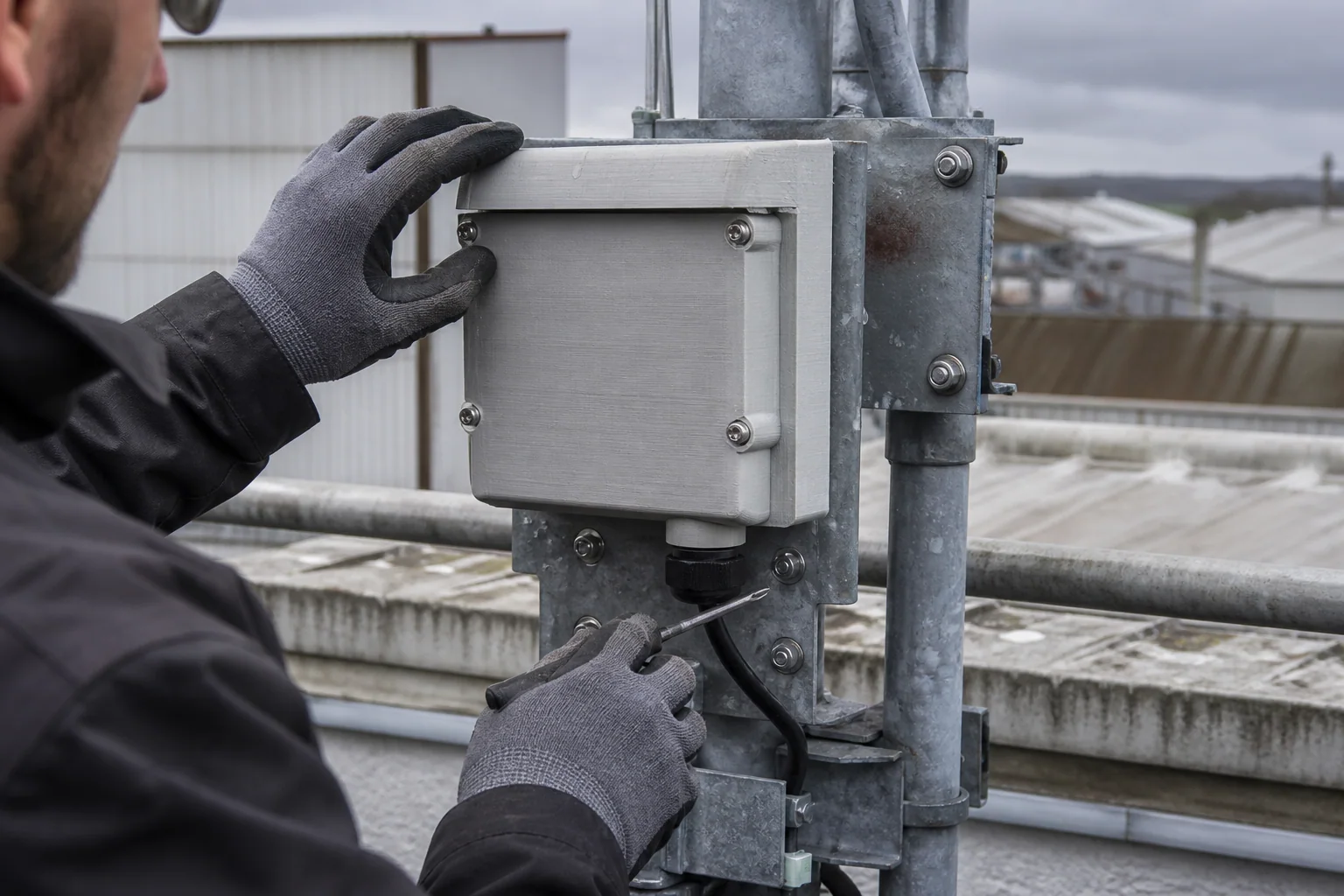
ASA printed weatherproof sensor enclosure being serviced on an industrial rooftop
Representative applicationWeather-resistant sensor housing for exposed industrial sites

The engineer’s read.

Material family names are not specifications. This page anchors the discussion to a named commercial grade and published printed-specimen data, then translates that data into practical selection and design guidance.

What it brings

ASA retains the practical toughness and processability associated with ABS while replacing the weather-sensitive butadiene phase with an acrylic elastomer. The result is a strong candidate for outdoor housings, automotive trim, fixtures and equipment exposed to sunlight.

Selection verdict

Choose ASA for durable outdoor parts where colour stability, weathering and useful heat resistance matter.

Printed properties.

Orientation, conditioning and geometry can move finished-part performance materially. Use these figures to compare candidate materials—not as guaranteed minimums.

PropertyRepresentative valueTest / context
Density1.13 g/cm³Manufacturer TDS
Tensile strength37 ± 3 MPaManufacturer TDS
Elongation at break9.2 ± 1.4%Manufacturer TDS
Flexural modulus · XY1.92 ± 0.13 GPaManufacturer TDS
Flexural strength · XY65 ± 5 MPaManufacturer TDS
Impact strength · XY41.0 ± 2.3 kJ/m²Manufacturer TDS
HDT · 0.45 MPa100°CISO 75
Saturated moisture uptake0.45% · 25°C / 55% RHManufacturer method

XY values normally represent flat-printed specimens. Z-direction strength can be substantially lower. Final production settings should be qualified on representative geometry.

Selection logic.

A useful material choice starts with load case, temperature, environment, duty cycle and failure consequence—not the strongest number on a datasheet.

Advantages

  • Excellent resistance to UV-driven embrittlement and colour fade
  • Strong weathering and oxidation resistance
  • Good impact behaviour and useful heat resistance
  • Machinable and finishable after printing

Watch-outs

  • Less dimensionally forgiving than PETG on very large or heavily loaded geometries
  • Not as stiff as carbon-fibre reinforced outdoor grades
  • Long-term chemical exposure still requires grade-specific validation

Strong applications

Outdoor enclosuresAutomotive exterior aidsSignage hardwareWeather-station partsGarden and marine-adjacent fittingsUV-exposed jigs